Living Spaces That Breathe With Meaning

Today we’re diving into Eco Interior Styling, Care, and Storytelling, uniting mindful aesthetics with practical maintenance and heartfelt narratives. Expect material wisdom, low‑impact habits, and ways to let objects speak about origin and values. Together we will shape rooms that respect ecosystems, age beautifully, and share stories of people, craft, and place, inviting you to participate, ask questions, and contribute your lived experiences to this evolving, regenerative conversation.

Material Honesty and Tactile Truth

Prioritize materials that reveal their natural character and minimize processing: solid wood sourced responsibly, reclaimed beams, stone with visible veining, plant‑based fabrics, and limewash walls that breathe. Honest textures invite touch and promote durability, allowing surfaces to gain soul rather than scars. Share a photo of a beloved material in your home and tell us where it came from, how it ages, and why it feels emotionally grounding for your daily rituals and gatherings.

Light, Color, and Gentle Quiet

Let daylight shape your palette before selecting paints or textiles. Soft, mineral tones derived from earth pigments often harmonize with shifting sun, reducing visual noise and energy use. Consider translucent linens, locally made shades, and low‑VOC finishes. Quiet color decisions also support mental clarity and rest. Tell us about a corner in your home transformed by better light, whether through a lighter curtain, a mirror repositioned, or simply clearing clutter to reveal reflective, soothing surfaces.

Care That Extends Lifespans and Reduces Waste

Maintenance is design in slow motion. Gentle care routines preserve finishes, protect health, and keep belongings out of landfills. With non‑toxic cleaners, periodic refreshes, and simple repairs, furniture and textiles become companions, not consumables. This practice honors the labor embedded in every object and saves money over time. We invite you to adopt one small habit this week, record the change it brings, and share your observations so others can learn, adjust, and feel supported by community wisdom.

Narratives Woven Into Rooms

Heirloom Dialogues and Gentle Display

Bring family objects out of storage and integrate them with present‑day essentials. Reframe an old textile as wall art or pair a vintage bowl with fresh, local fruit. Provide context with a handwritten card tucked nearby. These gestures link generations without overwhelming minimal aesthetics. What inherited piece could gain new life through thoughtful placement or reframing? Tell us the story behind it, the emotions it carries, and how honoring that narrative influences future choices toward quality, meaning, and respectful living.

Local Makers, Visible Hands

Bring family objects out of storage and integrate them with present‑day essentials. Reframe an old textile as wall art or pair a vintage bowl with fresh, local fruit. Provide context with a handwritten card tucked nearby. These gestures link generations without overwhelming minimal aesthetics. What inherited piece could gain new life through thoughtful placement or reframing? Tell us the story behind it, the emotions it carries, and how honoring that narrative influences future choices toward quality, meaning, and respectful living.

Layout as Story Structure

Bring family objects out of storage and integrate them with present‑day essentials. Reframe an old textile as wall art or pair a vintage bowl with fresh, local fruit. Provide context with a handwritten card tucked nearby. These gestures link generations without overwhelming minimal aesthetics. What inherited piece could gain new life through thoughtful placement or reframing? Tell us the story behind it, the emotions it carries, and how honoring that narrative influences future choices toward quality, meaning, and respectful living.

Sourcing With Integrity and Joy

Decoding Standards and Certifications

Focus on a few meaningful markers: FSC for wood, Greenguard or low‑VOC for finishes, OEKO‑TEX or GOTS for textiles, and third‑party lifecycle data when available. Ask retailers for documentation and celebrate honest answers, even when imperfect. Keep notes for future choices. Which certification most influences your decisions, and why? Share how you balance budget, aesthetics, and ethics, and whether you’ve found creative alternatives—like reclaimed materials—that meet or exceed performance while staying aligned with values and long‑term comfort.

Second‑Hand Strategies and Treasure Hunts

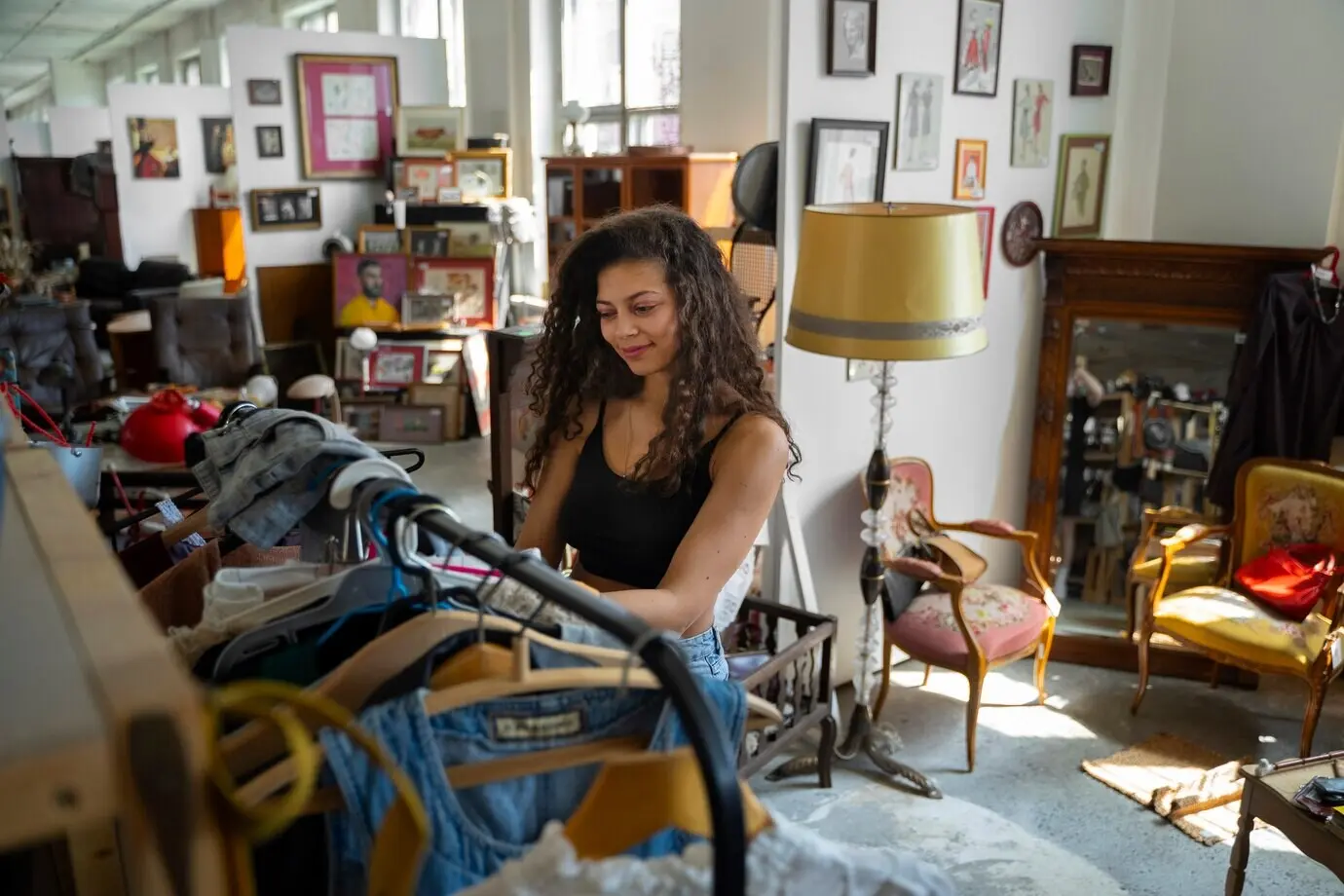
Explore estate sales, online marketplaces, architectural salvage, and community Buy Nothing groups. Bring measurements, fabric swatches, and patience. Minor scratches often become character, while reupholstery breathes fresh life into well‑made frames. Set alerts for targeted searches and avoid impulse purchases. What is your best find, and how did you integrate it into your home’s palette and scale? Tell us the repair or cleaning steps you took, the savings you realized, and how the final piece adds personality, history, and warmth.

Reducing Transport Footprint

Source close to home when possible: collaborate with neighborhood craftspeople, choose regional woods, and consolidate deliveries. When shipping is necessary, select ground or sea freight and opt for minimal, recyclable packaging. Offset responsibly after reducing first. Share a recent sourcing experience where you minimized transport emissions through planning, local alternatives, or community borrowing. What challenges did you encounter, and what surprised you about the results in cost, timing, and the sense of connection that local collaboration created?

Plants as Partners in Care

Choose species that match your light and habits: snake plant for resilience, pothos for forgiving growth, or olive and ficus for sculptural presence. Use terracotta for breathability, compost trimmings, and water mindfully. Rotate pots seasonally to balance light and form. Tell us your plant pairing success, including any setbacks, and how you transformed them into learning. Your experience can help others build a thriving, low‑maintenance indoor garden that cleans air, sparks gratitude, and complements calm, sustainable styling choices.

Daylight Choreography and Rest

Map sun paths to guide seating, desks, and restful corners. Layer sheer curtains with insulating drapery to manage glare and temperature, reducing energy loads. Add mirrors to bounce light deeper, and dimmable warm LEDs for evenings. Notice how rhythms change behavior. Share a snapshot of a daylight‑optimized nook and describe the habits it nurtures—reading, journaling, or a mindful break. Your insights help others calibrate brightness, softness, and privacy while honoring circadian cues and conserving precious energy.

Circular Design for Resilient Homes

A circular mindset keeps resources in play longer. Favor modular furniture, reversible textiles, and hardware that invites disassembly, repair, and future reuse. Plan end‑of‑life pathways upfront, choosing materials with recycling options or compostable components. This approach reduces waste while encouraging creativity and community sharing. Tell us about one circular experiment—perhaps a swap, a rental, or a refinish—and how it influenced your confidence, budget, and the sense that your home participates in a kinder, regenerative economy guided by care.
Vahirihehuxamonokalove
Privacy Overview

This website uses cookies so that we can provide you with the best user experience possible. Cookie information is stored in your browser and performs functions such as recognising you when you return to our website and helping our team to understand which sections of the website you find most interesting and useful.