Breathe Easy with Natural Color and Cozy Textiles
Today we explore Non-Toxic Finishes and Fabric Care: A Guide to Natural Paints, Oils, and Textiles in the Home. You’ll find clear steps, small experiments, and lived-in lessons for healthier walls, wood, and fabrics, so every room feels calm, resilient, and beautiful without fumes, residues, or mystery additives—and with simple habits that last.


Wood That Glows Without Harsh Chemicals
Matching Oil or Wax to Wood Species and Use
Dense hardwood counters appreciate tung or hardwax oil for water resilience; softwoods benefit from multiple thin passes of polymerized linseed for deeper fiber protection. Walnut oil is lovely for utensils, while beeswax-plus-oil pastes boost feel on drawers and toys. Always test on offcuts, watching for ambering, grain pop, and tactile finish under real kitchen lighting.
Application Safety and The Truth About Oily Rags
Apply in thin coats, wait for absorption, and buff away every last excess to avoid gummy surfaces. Most importantly, spread used oil-soaked rags flat to dry outdoors or submerge in water and seal before disposal—tightly wadded rags can self-heat and ignite. Simple respect for curing chemistry keeps projects safe, calm, and confidently repeatable in small homes.
Maintaining a Soft Sheen Without Full Sanding
Instead of stripping, clean with a mild soap and dry thoroughly. Touch up worn zones with a light oil pass, then burnish once dry to even the glow. Small scratches become patina, not panic. For tabletops, a quarterly refresh restores water beading, while toys often need only an occasional wax rub for smooth, friendly hands.
Textiles That Feel Good and Do Good
Natural fibers—cotton, linen, hemp, wool, and silk—breathe, regulate temperature, and skip many hidden chemical finishes. Look for GOTS or OEKO-TEX certifications, avoid stain-repellent coatings with persistent chemicals, and favor undyed or plant-dyed options where possible. Weight, weave, and staple length tell you almost everything about durability and comfort before the first wash.
Bedding and Towels: Decode Weave, Weight, and Warmth
Percale feels crisp and cool; sateen drapes with a quiet luster. Linen offers airy strength that softens over months, while long-staple cotton resists pilling and holds color more evenly. For towels, GSM indicates absorbency; loop type affects softness and drying time. Choose neutral, undyed sets first; then layer color or pattern once you know how your climate behaves.
Upholstery and Drapery with Cleaner Backings
Seek natural-latex or mechanical backings instead of PVC, and choose tightly woven natural blends for abrasion resistance without fluorinated repellents. Wool upholstery self-extinguishes, resists crushing, and ages gracefully. For curtains, uncoated linen filters light beautifully; add interlining for insulation without synthetics. Ask for mill test results or certifications; transparency is the new luxury in soft furnishings.
Color from Nature: Dyes, Sunlight, and Stories
Plant and mineral color carry history, from indigo vats to cochineal reds and onion-skin golds. Natural hues can mellow beautifully with time, especially under sunlight. Understanding mordants, wash temperatures, and storage keeps color enjoyable and honest. We celebrate patina here—proof that homes are lived in, not staged for a weekend photo shoot.
Home Dyeing Basics Without Overwhelm
Start with small cotton napkins or wool swatches to learn how fiber type affects uptake. Pre-wash to remove finishes, then explore alum or tannin mordants carefully and label every jar. Keep notes on ratios, water hardness, and simmer times. Expect delightful surprises; nature’s palette shifts with season, altitude, and even the pot you use for your first experiments.
Laundering Naturally Dyed Fabrics for Longevity
Wash cool with a gentle, fragrance-free soap, and avoid enzymatic boosters unless your mordants are robust. Minimize agitation, skip chlorine bleach, and dry in shade to protect delicate hues. A splash of vinegar in the rinse helps relax fibers. Expect soft evolution rather than permanence; the charm lies in graceful aging, not in plasticized permanence that never changes.
Laundry Rituals That Protect Fibers and Air
A low-tox routine keeps fabric strength and indoor air aligned. Build around a simple detergent or soap flakes, oxygen bleach for whites, baking soda for odor spikes, and vinegar for softening. Wash cooler, skip heavy fragrance, capture microfibers when synthetics sneak in, and dry with fresh air when possible. Your clothes and lungs will both breathe easier.

Room-by-Room Healthy-Home Planner
Finish cribs and toys with certified food-contact-safe oils, ensure rags are handled safely, and cure weeks before use. Choose washable natural rugs or cork for softness underfoot. Launder baby textiles with unscented soap and skip dryer sheets. Store paint and finishes out of reach, labeled clearly. Calm, resilient materials make cleanup easier and naps more restful.
Protect butcher blocks with tung or hardwax oil and maintain with quick, thin refreshes. Choose lime or mineral paint behind shelves for scrubbable matte texture. Table linens in linen or hemp release stains better when pretreated, then sun-dried. Keep a maintenance calendar near the spice rack so touch-ups become a pleasant ritual rather than a forgotten chore.
Linen sheets, wool throws, and undyed cotton curtains regulate temperature and invite airflow. Clay or mineral paint deepens light without gloss glare. Consider a no-shoe policy to protect rugs, plus seasonal laundering schedules that align with local humidity. Add a repair basket near the sofa—needles, thread, and patches encourage tiny, satisfying fixes during quiet evenings.
Care, Community, and Circular Habits
Healthy materials shine brightest when paired with mindful use, repair, and sharing. Swap leftover paint with neighbors, donate extra fabric to makers, and recycle metal cans. Compost plant fibers when compatible. Ask questions publicly—brands listen. Join our newsletter and share your victories or missteps; together we create homes that feel kind, resilient, and beautifully imperfect.
Repair Before Replace, and Track What Works
Keep a small log: which oil blend revived the table, which wash temp preserved linen softness, how long limewash took to fully cure. Notes transform intuition into confidence. Repair kit at the ready encourages immediate fixes. When replacement truly makes sense, you’ll know it—and you’ll shop with data, not panic or impulse.

Secondhand Strategies That Avoid Hidden Hazards
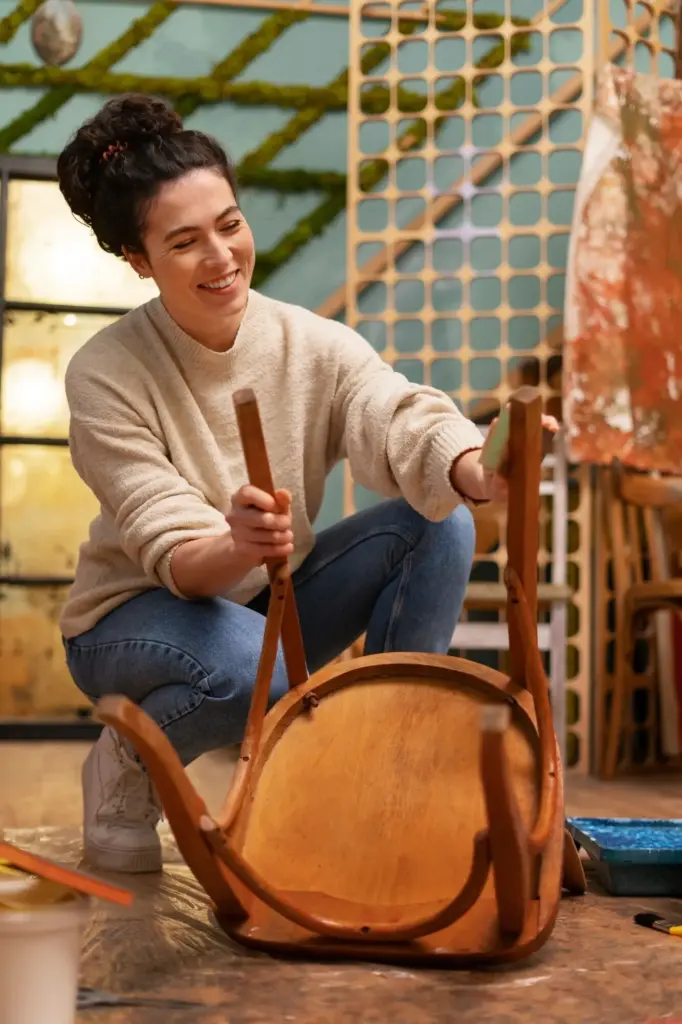
Vintage wood often needs only a light clean and fresh oil, not stripping. Wash pre-loved textiles hot only if fibers allow, then sun to freshen naturally. Skip items with heavy synthetic backings or flaky mystery coatings. Ask sellers about storage conditions and smoke exposure. With patience, you’ll rescue character pieces while sidestepping the costs and emissions of new production.