Greening Spaces, Simplified and Beautiful

Today we dive into Biophilic Styling: Integrating Living Plants and Natural Elements with Low-Maintenance Care Routines, blending lush greenery, honest textures, and calm rituals into any home. Expect practical steps, science-backed benefits, and effortless routines designed for busy lives, tiny apartments, and curious beginners. Share your questions, subscribe for weekly tips, and join a welcoming community that celebrates progress, not perfection.

Why Nature Indoors Feels Instantly Right
Health Benefits You Can Actually Feel

Studies suggest indoor plants can modestly improve perceived air quality and reduce stress markers like cortisol, especially when combined with daylight and natural textures. You might notice calmer breathing while watering or a small focus boost during calls. These micro-moments add up to better mornings and steadier afternoons. Share your experience below, and invite a friend to try a single plant near their workspace for one week.

Design Psychology in Everyday Corners

Studies suggest indoor plants can modestly improve perceived air quality and reduce stress markers like cortisol, especially when combined with daylight and natural textures. You might notice calmer breathing while watering or a small focus boost during calls. These micro-moments add up to better mornings and steadier afternoons. Share your experience below, and invite a friend to try a single plant near their workspace for one week.

A Small Apartment Transformation Story

Studies suggest indoor plants can modestly improve perceived air quality and reduce stress markers like cortisol, especially when combined with daylight and natural textures. You might notice calmer breathing while watering or a small focus boost during calls. These micro-moments add up to better mornings and steadier afternoons. Share your experience below, and invite a friend to try a single plant near their workspace for one week.

Resilient Greenery for Busy Schedules

Choose plants that forgive missed waterings and tolerate non-ideal light, then let simple cues guide care. Start with tough, personable varieties that signal thirst through weight, leaf posture, or soil feel. Pair each plant with a place that matches its light appetite, not the other way around. Want a custom shortlist for your windows? Drop a comment with orientation and hours of daylight, and we’ll respond.

Materials that Echo Forest, Shore, and Sky

Natural elements extend the living presence of plants and create harmony that feels intentional rather than cluttered. Wood, stone, clay, rattan, and wool bring tactile warmth while aging beautifully. Choose pieces with purpose—a tray that gathers essentials, a stone that anchors a vignette, a woven basket that hides mess. Share a snapshot of your entry or coffee table and we’ll help you refine a soothing, functional arrangement.

Warm Woods and Quiet Finishes

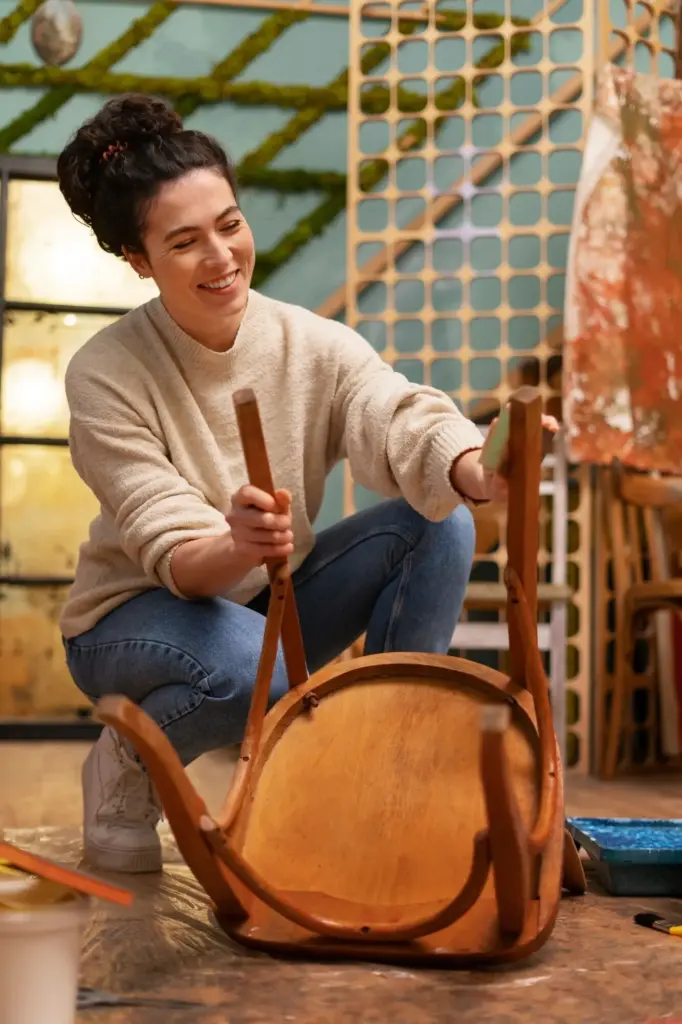
Oak, ash, walnut, and bamboo frame greenery with gentle contrast. Matte finishes resist glare, keeping your eye on leaves and line. Small risers lift planters for airflow and shadow play, while wooden bowls corral remotes beside a cascading vine. Refinish thrifted pieces for character and sustainability. Tell us your wood tones, and we’ll suggest complementary leaf shapes and pot colors that pull everything into effortless conversation.

Stone, Clay, and Mineral Calm

Terracotta breathes, helping beginners avoid overwatering. Slate trays protect surfaces and add grounding weight under planters or candles. River stones in saucers catch drips, offer texture, and can gently increase humidity. Clay’s warmth suits drought-friendly plants; glazed ceramic preserves moisture for thirstier companions. Post your favorite vessel material, and we’ll recommend pairings that balance care needs, tactile pleasure, and long-term durability without constant fiddling.

Textiles, Color, and Tactile Contrast

Linen diffuses light and softens edges, while wool throws introduce organic irregularity that feels alive beside glossy leaves. Keep color palettes nature-adjacent—sage, sand, charcoal, cloud—so seasonal plant shifts never clash. Mix tight weaves with looser textures to echo canopy layers. Share your dominant room color and flooring type, and we’ll propose fabric accents that support calm routines and highlight plant silhouettes beautifully.

Five-Minute Daily or Every-Other-Day Checks

Walk the room once, notice leaf posture, dust buildup, and soil dryness by weight. Rotate one plant, wipe two leaves, empty a saucer, and water only the pot that clearly needs it. These micro-actions prevent weekend marathons. Pair the loop with music or a podcast you love so the routine becomes something you look forward to, not delay. Share your favorite song; we’ll build a community playlist.

Self-Watering, LECA, and Lazy-Proof Tools

Self-watering planters reduce guesswork by delivering steady moisture to consistent drinkers. LECA and semi-hydro offer oxygen-rich roots and clean watering, great for offices and forgetful weeks. Moisture meters, squeeze bottles, and drip trays keep surfaces safe. Start with one pot and observe calmly. Ask in the comments which plant you’re considering for these systems, and we’ll suggest an easy setup and a first-month observation routine.

Seasonal Tweaks Without Overthinking

Winter often means less light and slower drying soil; water less, dust more, and scoot plants closer to windows. Spring invites gentle feeding and cautious repotting. Summer can demand airflow and shade, not constant watering. Autumn requests pruning and gratitude. Create calendar nudges for each milepost. Tell us your climate and window directions, and we’ll send a simple, two-minute seasonal checklist you can actually follow.

Light, Air, and Water—Made Understandable

Strong biophilic styling respects the basics: light fuels growth; air prevents issues; water sustains but can overwhelm. Map your home once and reuse the insights forever. Name zones—bright, medium, soft—and match plant thirst and leaf thickness to conditions. Small adjustments like a sheer curtain or a fan timer often matter more than new purchases. Drop your window orientations and we’ll help interpret them clearly.

Styling Vignettes with Purpose and Calm

Shelves and Bookcases with Living Rhythm

Alternate vertical and trailing forms—snake plant, books, pothos, framed photo, peperomia—leaving negative space for breath. A small uplight can graze leaves at dusk, adding intimacy without heat. Contain clutter in lidded baskets and repeat one planter color throughout. Share shelf width and height, and we’ll sketch a simple placement recipe that looks curated yet flexible enough to change with seasons and moods.

Work-from-Home Desks that Invite Focus

Keep a compact plant within peripheral view—zz, hoya, or a tidy peperomia—to cue micro-breaks without crowding your keyboard. A linen mat protects the surface and grounds a diffuser, pen cup, and coaster. Cable management preserves calm lines. Tell us your desk orientation, monitor size, and glare issues, and we’ll propose a plant plus lighting combo that reduces strain and keeps meetings feeling refreshingly human.

Tiny Bathrooms Turned Pocket Retreats

Humidity-loving ferns, philodendron micans, or heartleaf philodendron enjoy steamy moments if window light cooperates. Use wall hooks for hanging pots and a narrow stone ledge for soaps and a small vase. A soft cotton towel and cedar mat finish the ritual. Share measurements, light direction, and ventilation, and we’ll suggest a trio that looks spa-worthy yet only needs occasional trimming and thoughtful rinses.
Vahirihehuxamonokalove
Privacy Overview

This website uses cookies so that we can provide you with the best user experience possible. Cookie information is stored in your browser and performs functions such as recognising you when you return to our website and helping our team to understand which sections of the website you find most interesting and useful.