Story-Driven Decor: Sourcing Artisan-Made and Reclaimed Materials with Provenance
Where History Hides: Tracing Origins and Owners
Reading the Silent Signatures
Paper Trails That Protect the Story
Interviewing Sellers with Respect
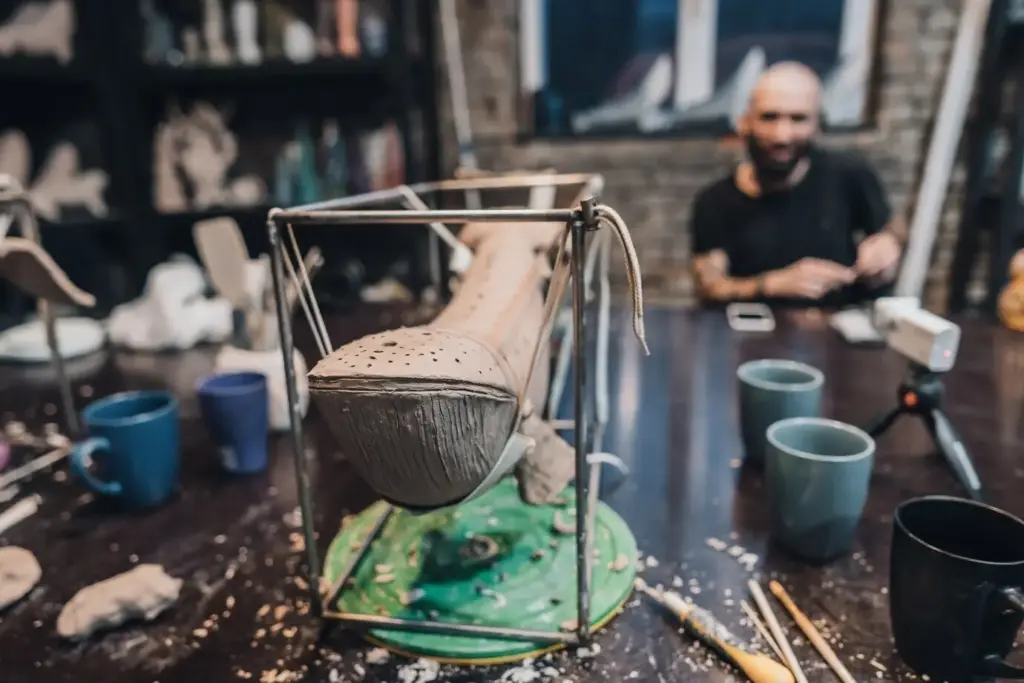
Working With Makers: Fairness, Friendship, and Craft
Building Trust from First Message to Final Finish
Fair Pay as a Design Principle
Certificates, Co-ops, and Cultural Respect
Salvage Wisely: Evaluating Reclaimed Materials
Design Alchemy: Blending Narratives with Modern Life
Contrast That Honors Both Old and New
Practical Layouts for Story-Rich Pieces
Lighting That Reveals Craft
Documentation as Design: Archiving the Journey
The Living Provenance Binder
Design a binder with tabs for materials, rooms, and dates. Include QR codes that link to videos of the artisan at work or timelapse clips of the salvage process. Add fabric swatches and finish samples alongside receipts. This tactile record encourages curiosity, aids repairs, and provides continuity if items are passed down, making stewardship straightforward, collaborative, and delightfully tangible for everyone who encounters your collection.
Photography That Honors Process
Capture stages: raw beams stacked in daylight, the first sanding pass, the careful fitting, and final installation. Use natural light and neutral backdrops that emphasize honest texture. Add captions with names, places, and dates so images transmit context rather than just aesthetics. Over time, these albums become part of the decor, turning memory into a visible companion that invites questions, learning, and shared pride.
Authenticity, Appraisals, and Avoiding Pitfalls
Red Flags in the Wild
Beware of rushed origin tales lacking dates, makers, or specific locations. Examine wear patterns for plausibility and consistency. Confirm dimensions match period standards and tools. Ask for before-photos of restorations. If answers dodge the technical, pause. Real stories tolerate scrutiny, embrace detail, and usually arrive with names, materials, and measurements that align. When uncertainty lingers, walk away kindly and let patience guide you to the right piece.
When to Call an Expert
If a purchase represents significant value, culture, or structural risk, bring in a specialist. Appraisers validate price and context; conservators advise repairs that respect material integrity. Paying for expertise can avert expensive mistakes and preserve history. Document their findings, add their credentials to your archive, and share summaries with future caretakers so professional insight travels with the object, not just with your memory.
Negotiating with Integrity
Respectful negotiation acknowledges labor, rarity, and restoration investment. Share your budget limits honestly, ask for itemized costs, and discuss bundle pricing if multiple pieces resonate. Offer to credit the seller or artisan in photos and refer friends. When both parties feel heard, the final number reflects not only exchange value but mutual dignity, making the first day at home feel celebratory rather than transactional or uneasy.
Care, Repair, and Long-Term Stewardship
Routine Care That Respects Patina
Dust with soft brushes, avoid saturating finishes, and test cleaners in hidden areas. For reclaimed wood, maintain humidity to minimize cracking. For textiles, rotate exposure to sunlight and vacuum gently with a protective screen. Record every step in your binder. This intentional approach keeps character intact, preventing over-restoration that erases history while ensuring the piece remains practical, hygienic, and welcoming in daily life.
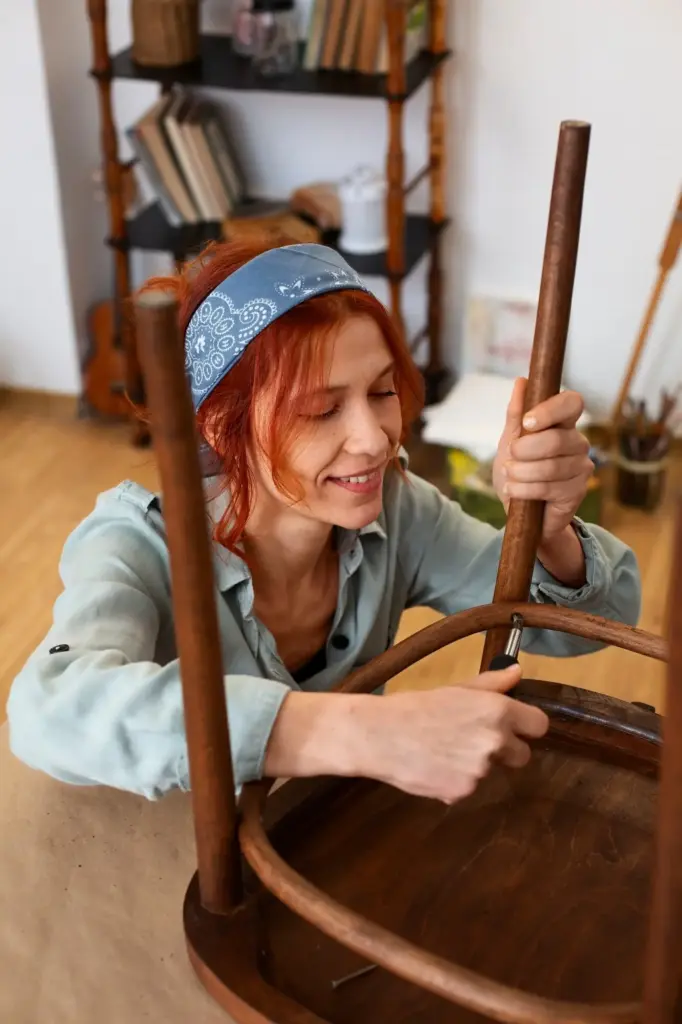
Reversible Fixes and Honest Restorations
Choose conservation-grade adhesives, mechanical fasteners, and finishes that can be undone without damage. Photograph joints before disassembly, label parts, and log products used for future reference. When stability requires more intervention, document the reasoning transparently. Honesty about what has changed safeguards trust, allowing future caretakers to understand the evolution and make informed decisions without confusion or unintended loss of original fabric.
Share the Stories: Community, Guests, and Everyday Joy